

Advocating for School Counseling: The Legacy of California’s SPARC & The Modern SCPP
How do school counselors bridge the gap between heavy daily workloads and systemic role recognition? In this virtual roundtable, Executive Director of ISCAR, Dr. Sarah Whipp sits down with four veteran educational leaders to examine how California’s Support Personnel Accountability Report Card (SPARC) shaped outcomes-based counseling, and how modern School Counseling Program Profiles (SCPP) allow counselors to take true ownership of their programs.

Bob Tyra
Creator of SPARC, Former Bilingual Counselor & LACOE Leader
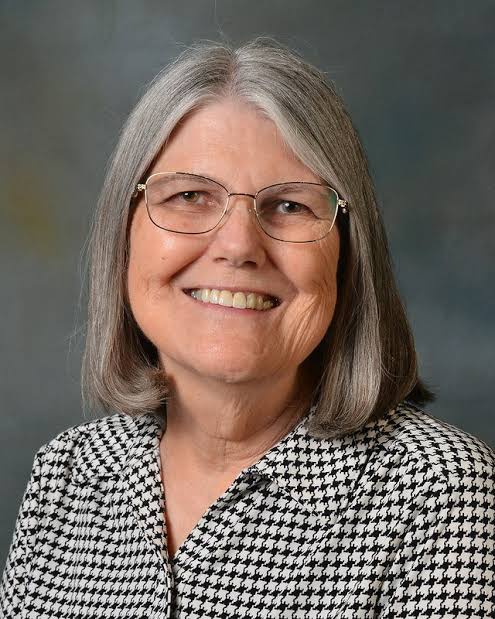
Dr. Nancy Jarman-Dunn
Past CASC President, Counselor Educator & ASCA RAMP Coach

Paul Meyers
Retired Superintendent, Past CASC President & Hatching Results Consultant

Dean Lesicko
Past CASC President, Former Principal & District Counseling Director
“Are you an owner or a renter? Creating a program profile isn’t just about sharing numbers; it’s about getting counselors to truly own their programs and show the community how students are different because of what we do.”
1. Clear, Scannable Data Beats Multi-Page Binders
Lengthy reports frequently gather dust. A concise two-page visual document allows parents, principals, and district boards to evaluate program outcomes in under two minutes without getting lost in technical minutiae.
2. Highlighting the Complete Support Ecosystem
School counselors serve as central hubs in a wider network of student care. A successful program profile celebrates the contributions of psychologists, nurses, bilingual liaisons, classified staff, and county mental health partners.
3. Turning Administrators into Program Champions
Because most administrator credential programs offer little insight into school counseling models, co-designing an annual profile builds direct alignment between counseling goals and campus strategic initiatives.
4. Breaking Free from Professional Silos
Navigating post-pandemic student mental health demands requires connection. Counselors thrive when forming peer networks across districts, mentoring fieldwork students, and sharing actionable intervention templates.
| Dimension | Traditional Annual Reporting | Modern Program Profile (SCPP) |
|---|---|---|
| Format | 15–30 page dense text narrative | Concise 2-page visual dashboard |
| Audience | Internal district file / Compliance only | Parents, Principals, Boards & Community |
| Core Focus | Activity counts & reactive caseloads | Tier 1 outcomes & measurable student growth |
| Leadership Role | Isolated, ancillary support role | Co-designed leadership partner with admin |
Leave a Reply